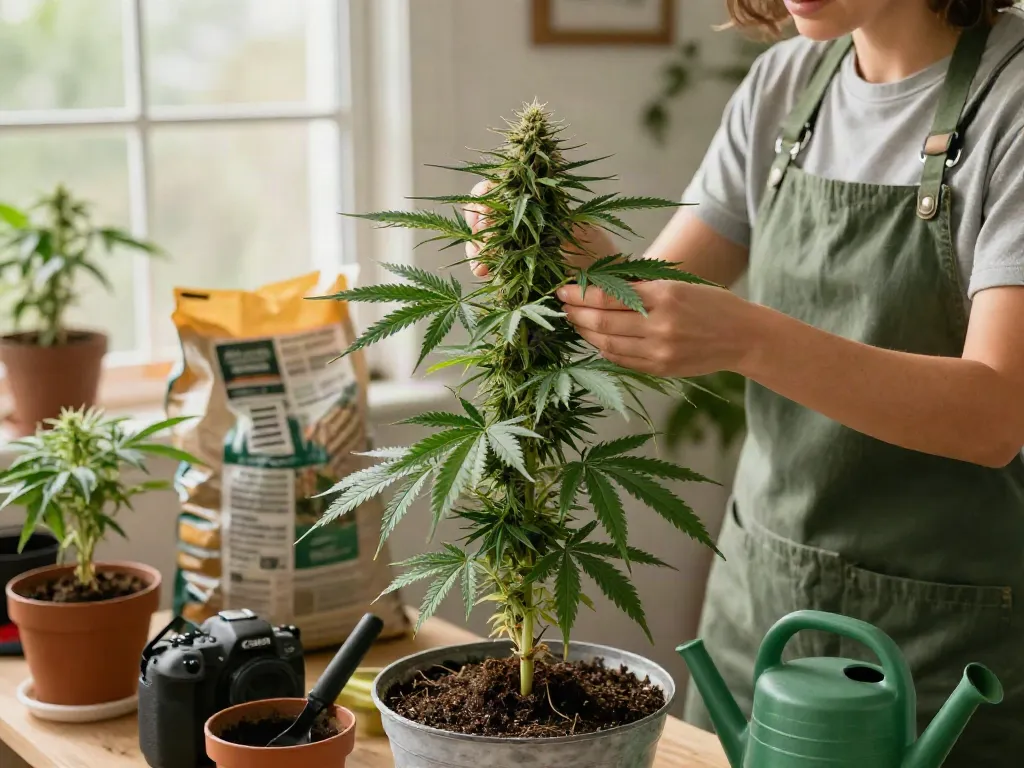
Understanding Available Cannabis Seed Varieties
As the cannabis industry continues to evolve, selecting the right cannabis seeds has never been more crucial for growers. With a plethora of available cannabis seed varieties on the market, understanding the differences among them can greatly impact the success of your cultivation efforts. Whether you're a seasoned grower or a novice looking to explore new strains, knowledge about cannabis seeds will empower you to make informed choices tailored to your unique growing conditions and goals.
What Are the Different Types of Cannabis Seeds?
Cannabis seeds fall into several categories: regular, feminized, and autoflowering. Each category possesses distinct characteristics that determine their growth patterns and the type of plants they yield.
- Regular Seeds: These seeds are unaltered and can produce both male and female plants. While growing from regular seeds allows you to select breeding stock, it requires careful management to identify and remove male plants, as they do not produce buds.
- Feminized Seeds: These seeds are genetically modified to produce only female plants, which means you can focus solely on cultivating plants that bear buds, eliminating the hassle of sexing seeds.
- Autoflowering Seeds: These seeds transition from the vegetative stage to flowering based on age rather than light exposure. Autoflowering strains are ideal for growers looking for quick turnovers, as they typically flower within 8-10 weeks from seed germination.
The Importance of Genetics in Cannabis Seeds
Understanding the genetic makeup of cannabis seeds is vital for successful cultivation. Genetics dictate various traits, including cannabinoid profiles (THC and CBD content), growth patterns, and resistance to pests and diseases. Breeders carefully select parent plants to enhance desired characteristics, leading to the creation of unique strains with specific effects and flavors.
When comparing cannabis seed varieties, consider not just the strain name but also the breeder's history and the seed's lineage. This information can provide insights into the expected outcomes regarding yield, potency, and growing conditions.
How to Choose the Right Cannabis Seed Variety for Your Grow
Choosing the right cannabis seed variety involves several factors:
- Growing Environment: Consider whether you will grow indoors or outdoors, as this will affect the seed type and strain selection.
- Available Time: Autoflowering seeds may be best if you have limited time for cultivation due to their quick growth cycle.
- Desired Effects: If you are looking for specific therapeutic effects, researching strains known for their cannabinoid profiles can help guide your selection.
Comparing Cannabis Seed Varieties: Key Factors
Having a clear understanding of the key factors involved in seed selection can simplify the process and enhance your chances of successful cultivation. Here are some essential elements to consider:
Feminized vs Autoflower vs Regular Seeds
Each type of cannabis seed serves different purposes. Feminized seeds are best for those looking to maximize bud production without having to deal with male plants. For growers who prioritize fast and straightforward cultivation, autoflower seeds offer an excellent solution. Regular seeds, while more labor-intensive, offer the opportunity for breeding if that's a goal for the gardener.
How Environment Affects Seed Performance
Environmental factors such as light, temperature, and humidity significantly impact the performance of cannabis seeds. For example, autoflowering strains thrive in various conditions, while feminized strains may require more controlled environments to maximize yield. Understanding your environment helps in selecting the right strain that will flourish in those specific conditions.
Assessing THC and CBD Content Across Varieties
Each strain's THC and CBD content can vary widely. THC is the compound responsible for cannabis's psychoactive effects, while CBD is known for its therapeutic benefits without the high. When selecting seeds, it's essential to assess the cannabinoid profile, aligning it with your intended use—whether for recreational enjoyment or potential health benefits.
Best Practices for Growing Cannabis from Seeds
Successfully growing cannabis from seeds requires knowledge of effective cultivation techniques. Here are some best practices to keep in mind:
Germination Techniques for Optimal Growth
Germinating cannabis seeds can be accomplished through various methods, including paper towel techniques and direct planting in a growing medium. Ensuring proper moisture and warmth is crucial for seed viability.
Caring for Your Cannabis Plants: Nutrients and Watering
Once germinated, cannabis plants require specific nutrients and watering schedules. Overwatering and nutrient deficiencies can lead to poor plant health, so monitoring and adjusting feeding regimens according to growth stages is critical.
Understanding Flowering Stages and Harvest Timing
Understanding the flowering stages of cannabis is essential for determining the right time to harvest. Pay attention to trichome development and pistil coloration, as these indicators will signal when your plants are ready for harvest.
Challenges in Selecting Cannabis Seed Varieties
While selecting cannabis seeds, growers may encounter several challenges. Here are common issues to be aware of:
Common Misconceptions About Cannabis Seed Genetics
Many believe that all cannabis seeds are the same, but genetics play a pivotal role in the outcome of your grow. Understanding that different strains have distinct traits, yields, and flowering times is essential for success.
Identifying Low-Quality Seeds in the Market
Low-quality seeds can lead to disappointing growth results. Look for reputable breeders, read reviews, and check for genetic information before making a purchase to ensure you are investing in high-quality seeds.
How to Avoid Seed Bank Scams
As the market grows, so do the number of seed bank scams. Researching the authenticity of seed banks, ensuring they have clear, positive feedback, and checking whether they provide guarantees on their products can help protect against fraud.
Future Trends in Cannabis Seed Varieties for 2026
With the cannabis industry rapidly evolving, it's essential to stay informed about trends that are likely to shape the market and available seed varieties in the coming years. Here’s what to expect:
Emerging Breeding Techniques and Innovations
Innovative breeding techniques are leading to the development of new strains that cater to specific consumer needs, such as high-CBD, low-psychoactive varieties that appeal to medical users.
Consumer Demand Trends for Cannabis Strains
As more states legalize cannabis, consumer preferences are diversifying. Strains that offer unique flavor profiles or specific effects will likely see increased demand.
Regulatory Changes Impacting Cannabis Seed Availability
Changes in laws concerning cannabis can significantly impact the availability of certain seed varieties. Keeping abreast of local and federal regulations will be crucial for growers looking to navigate these changes effectively.
What are the best practices for buying cannabis seeds?
Researching seed banks, verifying strains, and understanding your local laws are essential steps in the buying process. Look for reputable sources that provide detailed information about their seeds.
Can I grow cannabis seeds in any state?
Growing cannabis is highly regulated, and legality varies by state. Always verify your state's regulations regarding cultivation before proceeding.
What factors should I consider when choosing cannabis seeds?
Consider your growing environment, desired effects, cannabinoid profiles, seed type, and the reputation of the seed bank when selecting seeds.
How do I know if cannabis seeds are of high quality?
High-quality seeds are typically dark in color, have a hard outer shell, and come from reputable breeders. Testing germination rates and observing growth consistency can also indicate quality.
What are the benefits of feminized cannabis seeds?
Feminized seeds maximize yield potential by ensuring that every plant produces buds, allowing growers to focus their efforts on cultivating high-quality flowers without the risk of male plants.