
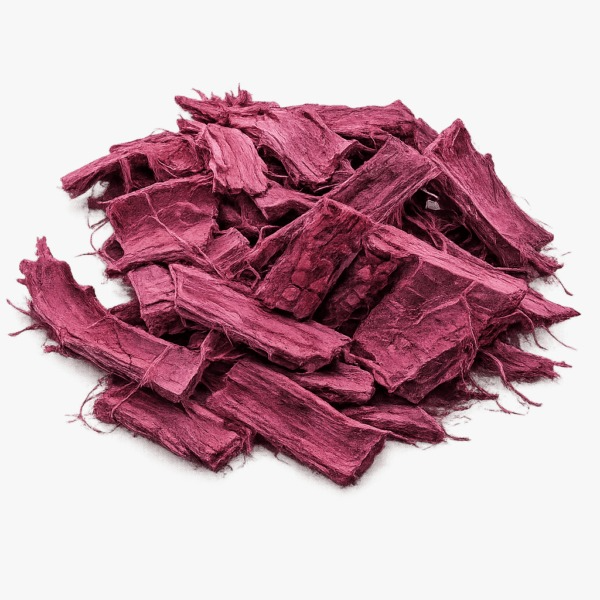
MHRB for sale is a common commercial phrase used to describe whole root bark derived from Mimosa tenuiflora, a hardy leguminous tree associated with Mexico and parts of northeastern South America. MHRB for sale may refer to dried botanical material offered for lawful botanical study, educational collections, natural-material research, or other permitted purposes. When evaluating MHRB for sale, it is important to understand the plant itself, the characteristics of whole root bark, geographic sourcing, harvesting considerations, storage requirements, and applicable laws. MHRB for sale should always be evaluated according to accurate botanical identification and responsible sourcing rather than marketing claims alone.
What Is Mimosa Hostilis Root Bark?
Mimosa tenuiflora is a member of the Fabaceae family and is a shrub or small tree adapted to warm and seasonally dry environments. It has historically been known by the botanical name Mimosa hostilis, which remains common in commercial terminology.
The term root bark generally describes bark material obtained from the outer portion of the plant's roots. Whole root bark differs from powdered botanical material because the pieces remain relatively intact rather than being mechanically ground into a fine consistency.
People researching MHRB for sale should understand that commercial descriptions can vary considerably between suppliers. Terms such as whole root bark, dried root bark, chipped bark, and powdered bark may describe different physical preparations of botanical material.
Botanical Classification
Mimosa tenuiflora belongs to the Fabaceae family, the same broad plant family that includes many legumes. Its classification is useful when verifying the identity of botanical material.
Because common names can sometimes create confusion, botanical identification should ideally include the accepted scientific name, relevant synonyms, geographical information, and supplier documentation.
Characteristics of Whole Root Bark
Whole root bark has a distinctive physical profile that separates it from processed powders. Pieces may vary in thickness, length, texture, and coloration depending on the plant, harvesting conditions, drying process, and preparation methods.
The exterior surface can have a fibrous or rough appearance, while the interior may show differences in texture and color. Natural botanical materials are not necessarily uniform, so moderate variation between pieces is expected.
For buyers researching MHRB for sale, examining product descriptions that clearly identify the material as whole root bark can help distinguish it from powdered or otherwise processed products.
Color and Texture
Dried root bark can display shades ranging from tan and brown to reddish or darker tones. Color variation does not automatically indicate poor quality because botanical appearance can be influenced by age, soil, moisture, drying conditions, and storage.
Texture can also vary. Some pieces may appear fibrous, while others can be harder or more compact. Excessive moisture, unusual odors, visible contamination, or evidence of improper storage may warrant additional questions about handling practices.
Natural Growth and Adaptation
Mimosa tenuiflora is recognized for its ability to survive in challenging environmental conditions. It is commonly associated with tropical and subtropical landscapes, including areas experiencing seasonal dryness.
Its adaptability is partly connected to its extensive root system and capacity to tolerate periods of limited water availability. These characteristics make the species an interesting subject for botanical and ecological research.
MHRB for sale originating from responsibly managed sources should be considered within this broader ecological context. The commercial value of a plant should not be separated from the environmental conditions that allow its populations to persist.
Whole Root Bark Versus Powdered Material
One of the simplest distinctions in the botanical marketplace is the difference between whole root bark and powdered root bark. Whole material consists of larger pieces, whereas powdered material has been mechanically reduced into smaller particles.
Whole root bark may be preferred for collections or visual botanical examination because its natural physical structure remains easier to observe. Powdered material, by contrast, can be more difficult to visually authenticate because its original structure has been substantially altered.
When researching MHRB for sale, buyers should read product specifications carefully and confirm whether the material is whole, chipped, shredded, or powdered.
Why Physical Form Matters
Physical form affects storage, handling, appearance, and inspection. Larger pieces can make it easier to examine the bark's texture and general condition.
Regardless of form, botanical materials should be stored in clean, dry conditions and protected from excessive humidity and contamination.
Geographic and Environmental Factors
The characteristics of Mimosa tenuiflora can vary according to geography and growing environment. Soil composition, rainfall, temperature, sunlight, elevation, plant age, and seasonal conditions can all influence botanical development.
Mexican sourcing is particularly relevant when discussing regional botanical materials. A responsible supplier should provide accurate information about the stated origin rather than making broad or unverifiable claims about a product's geographic history.
MHRB for sale should ideally be accompanied by useful information about country or region of origin, botanical identity, physical preparation, and responsible procurement practices.
Responsible Harvesting
Harvesting root material requires greater environmental consideration than collecting renewable surface material. Removing roots or excessive root bark can affect individual plants and potentially influence local populations if harvesting is intensive.
Sustainable sourcing therefore involves understanding regeneration, harvesting pressure, land management, and local environmental conditions.
For MHRB for sale, responsible sourcing can include supplier transparency, traceable procurement, appropriate harvesting methods, and efforts to reduce unnecessary ecological pressure.
Supporting Ethical Supply Chains
Ethical botanical sourcing also considers the people involved in harvesting, processing, packaging, and distribution. Fair commercial relationships can encourage better long-term stewardship of natural resources.
Suppliers that provide clear information about their procurement practices demonstrate greater accountability than businesses that rely exclusively on vague sustainability statements.
Storage and Preservation
Whole root bark should be kept away from excessive moisture, direct environmental exposure, and contaminants. Proper packaging can help maintain the physical condition of dried plant material during transportation and storage.
Humidity is particularly important because dried botanical products can deteriorate when exposed to unsuitable conditions for extended periods.
When comparing MHRB for sale options, information about packaging and storage can therefore be as useful as information about appearance. A professionally handled botanical product should have clear specifications and sensible storage guidance.
Quality Considerations
Botanical quality involves more than color or texture. A thorough evaluation can consider correct species identification, geographic origin, physical condition, harvesting practices, processing, packaging, and documentation.
MHRB for sale listings should ideally distinguish the product clearly from unrelated Mimosa species or other botanical materials. Scientific naming helps reduce confusion created by regional common names.
Buyers should also avoid assuming that a particular color, texture, or appearance automatically proves authenticity. Reliable identification depends on multiple factors rather than one visual characteristic.
Legal and Regulatory Awareness
Rules governing botanical materials can differ between countries and jurisdictions. Some plant materials may have restrictions depending on their chemical constituents, intended use, import status, or local regulations.
Anyone considering MHRB for sale should verify current laws applicable to purchasing, importing, possessing, distributing, or selling botanical material in the relevant jurisdiction. Suppliers should likewise maintain accurate descriptions and avoid unsupported claims about effects or uses.
Responsible commerce requires compliance with applicable customs, labeling, environmental, and product regulations.
Evaluating an MHRB Supplier
A transparent supplier should be able to provide basic information about botanical identity, physical form, origin, harvesting approach, packaging, and storage.
When comparing MHRB for sale listings, customers can look for detailed descriptions rather than relying solely on attractive photographs or promotional language. Clear terminology helps buyers understand whether they are considering whole root bark or another preparation.
A responsible supplier should also avoid exaggerated claims and should communicate applicable legal restrictions where relevant.
Frequently Asked Questions
1. What does whole root bark mean?
Whole root bark generally refers to dried bark material retained in larger natural pieces rather than mechanically processed into powder. Its size and appearance can vary naturally.
2. What is the botanical name associated with Mimosa Hostilis?
The plant commonly called Mimosa hostilis is generally identified botanically as Mimosa tenuiflora. Mimosa hostilis remains a widely used commercial and historical synonym.
3. How should whole root bark be stored?
Dried botanical bark should generally be kept in clean, dry, well-protected packaging and away from excessive humidity, contamination, and unsuitable environmental conditions.
4. What should I check when researching MHRB for sale?
Look for accurate botanical identification, stated geographic origin, physical form, harvesting information, packaging details, and supplier transparency. Applicable laws should also be checked before purchasing.
5. Does whole root bark always look the same?
No. Natural variation in color, texture, thickness, and size is normal. Growing conditions, plant age, harvesting, drying, and storage can all influence appearance.
Conclusion
Understanding the botanical characteristics of Mimosa tenuiflora provides useful context for evaluating whole root bark as a natural plant material. From physical appearance and geographic variation to responsible harvesting and proper storage, several factors influence how botanical products should be assessed.
MHRB for sale should not be judged by appearance alone. Botanical identity, sourcing transparency, environmental responsibility, product preparation, and legal compliance are all important considerations. For anyone researching MHRB for sale for lawful botanical or educational purposes, a well-documented supply chain provides a stronger foundation for informed decisions than unsupported marketing claims.