
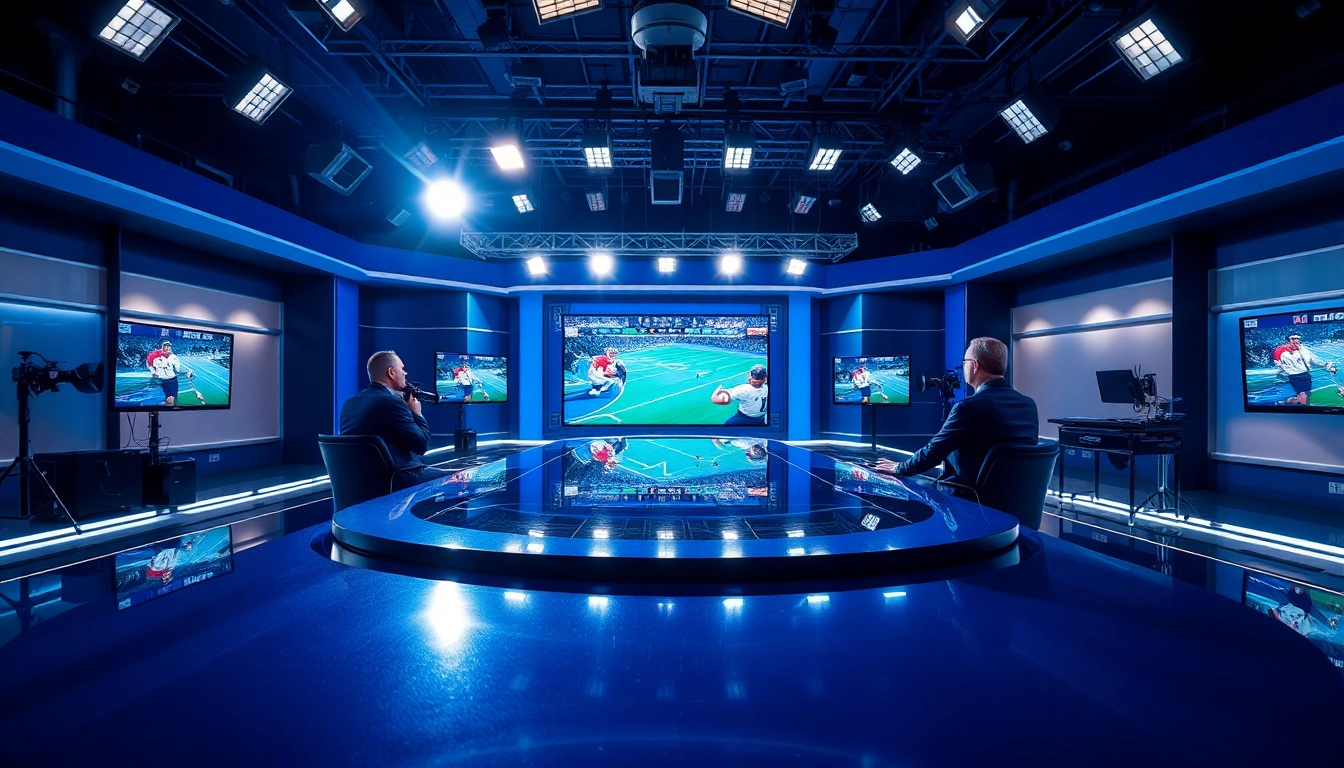
Introduction to Sports Broadcasting
What is Sports Broadcasting?
Sports broadcasting refers to the live transmission of sports events via television, radio, and digital platforms. This dynamic field encompasses a range of activities from commentary to reporting, giving audiences access to real-time sports action and analysis. At its core, Sports Broadcasting aims to enhance viewership while conveying the excitement of the competition through expert narration and high-quality visuals.
The Evolution of Sports Broadcasting
The journey of sports broadcasting began in the early 20th century with radio broadcasts of major sporting events. The first significant sports broadcast occurred in 1921 when a boxing match was aired on a radio station in the United States. This innovation paved the way for television broadcasts, which dramatically transformed the consumption of sports. By the 1950s, networks started to bring sports into households nationwide, revolutionizing how fans engaged with their favorite teams and athletes.
With the advent of cable television in the 1980s, sports broadcasting saw an explosion in channels dedicated to sports content. Networks like ESPN popularized 24-hour sports coverage, creating a culture where sports news, analysis, and live events filled airtime around the clock. The concept of streaming gained momentum in the 2000s, allowing audiences to view events on-demand and bypass traditional satellite and cable subscriptions. Today, digital platforms and social media are integral to sports broadcasting, with fans able to engage with content in various formats, from livestreams to highlights and interactive content.
Importance of Sports Broadcasting Today
In today's society, sports broadcasting is more than just a means of entertainment; it plays a crucial role in the economy, culture, and community. By providing a platform for athletes to showcase their talents and for brands to reach their target audiences, it stimulates economic activity and fosters a sense of community among fans. Sports broadcasts also amplify social messages, such as those advocating for inclusivity and diversity within sports, as well as promoting health and fitness activities. The relationship between sports broadcasting and audience experience continues to evolve, necessitating innovative approaches to keep viewers engaged and informed.
Necessary Skills for Effective Sports Broadcasting
Communication Skills in Sports Broadcasting
Effective communication lies at the heart of successful sports broadcasting. Broadcasters must articulate complex sports narratives clearly and compellingly, ensuring that viewers can easily follow the action. This involves not only delivering commentary but also engaging fans with vivid descriptions, storytelling, and insights that enhance their understanding of the sport.
Moreover, non-verbal communication also plays a significant role. Body language, facial expressions, and vocal tones can convey excitement and tension during live broadcasts, capturing viewer attention and enhancing the viewing experience. Broadcasters must also possess strong interviewing skills, enabling them to engage players and coaches in insightful discussions that add depth to the audience's understanding.
Technical Knowledge and Equipment Handling
In addition to communication skills, successful sports broadcasters must be proficient in using a range of technical equipment. Knowledge of cameras, microphones, and broadcasting software can help them produce high-quality content. Understanding camera angles, lighting, sound quality, and how to troubleshoot common technical issues is essential for ensuring a smooth broadcast.
Additionally, familiarity with graphics software can enhance presentations during broadcasts. For instance, broadcasters can utilize on-screen statistics and player profiles to provide viewers with relevant information, elevating their overall experience. Broadcasters who remain updated with emerging technologies—such as augmented reality (AR) and virtual reality (VR)—can leverage these tools for innovative storytelling approaches.
Research and Analysis Competencies
Another vital skill in sports broadcasting is the ability to conduct thorough research and analysis. Broadcasters need to stay informed about sports history, statistics, player performances, and current events to provide insightful commentary. This requires a proactive approach, utilizing various resources, including databases, news articles, and expert opinions.
Moreover, effective analysis goes beyond mere data recitation. Broadcasters must be able to interpret statistics, analyze strategic plays, and predict game outcomes. This depth of understanding translates to richer commentary that can engage more knowledgeable sports fans and enhance overall broadcast quality.
Techniques for Captivating Sports Coverage
Storytelling in Sports Broadcasting
Storytelling is a powerful technique used in sports broadcasting that breathes life into the play-by-play commentary. By framing sports events within a narrative, broadcasters can create emotional connections with the audience. This can include backstories of athletes, the historical significance of games, or the rivalries that define competitions.
Using metaphors and analogies can also enhance storytelling and paint vivid imagery for viewers. For example, describing a critical playoff game as “a battle for glory” evokes a sense of urgency and excitement. Successful broadcasters weave these narratives into their commentary, making moments resonate with audiences long after the game concludes.
Engaging Viewers through Interactive Content
In today's digital landscape, viewers expect more than passive consumption of sports broadcasts; they yearn for ways to engage with content actively. Broadcasters can incorporate interactive components, such as fan polling, live Q&A sessions, or social media integration, to boost engagement and create a community around the broadcast.
For instance, displaying live tweets during broadcasts can invite real-time reactions from fans, prompting them to feel part of the action. Furthermore, the integration of fantasy sports elements into broadcasts can provide viewers with added dimensions, enhancing their investment in the game.
Utilizing Social Media for Broadcast Enhancement
Social media platforms have fundamentally changed how sports broadcasts are enhanced and consumed. Broadcasters can use social media not only to promote upcoming games but also to share behind-the-scenes content, highlight reels, and player interviews. Social platforms facilitate immediate feedback from fans, allowing broadcasters to tailor their content and engage with their audience dynamically.
Strategic use of hashtags also allows for broader audience interaction and community building. By creating specific hashtag campaigns, broadcasters can encourage fans to share their thoughts, thereby boosting visibility and discussion around broadcasts. Ultimately, integrating social media enhances viewer experience and extends the broadcast's reach beyond traditional channels.
Challenges in Sports Broadcasting
Handling Live Broadcast Uncertainties
One of the most challenging aspects of sports broadcasting is the unpredictability of live events. Technical difficulties, unexpected incidents on the field, or sudden changes in game dynamics can all pose significant challenges. Broadcasters must be adept at maintaining their composure and professionalism in these circumstances.
To effectively manage these uncertainties, preparation is key. Broadcasters should equip themselves with contingency plans and anticipate potential issues. For instance, having backup audio feeds or alternative segments ready can help minimize disruptions during live broadcasts.
Maintaining Accuracy under Pressure
Sports broadcasters operate in high-pressure environments where accuracy is paramount. Providing real-time updates and statistics requires quick thinking and a solid grasp of the information being communicated. A single error can damage credibility and diminish the viewing experience.
To combat this, broadcasters should invest time in training and practice. Familiarizing themselves with relevant software, practicing scripted segments, and honing their ability to multitask can greatly improve performance under pressure. Continuous learning and seeking feedback from peers also contribute to accuracy and overall performance enhancement.
Ethical Considerations in Sports Broadcasting
Ethics play a vital role in sports broadcasting. Broadcasters are responsible for reporting the truth and presenting information fairly while maintaining integrity. They face ethical dilemmas, such as dealing with sensitive information, potential biases, and conflicting interests.
Transparency and honesty must guide their communication. Broadcasters should navigate these ethical considerations by setting clear standards for reporting and adhering to best practices in media ethics. Regular discussions and training on ethical issues can further enhance awareness and foster a culture of integrity within broadcasting teams.
The Future of Sports Broadcasting
Emerging Technologies and Their Impact
The future of sports broadcasting is expected to be shaped significantly by emerging technologies. Innovations such as 5G technology, augmented reality (AR), and enhanced data analytics offer new ways to engage audiences and present content creatively.
For example, AR can provide audiences with interactive graphics and statistics overlaid on live broadcasts, making the viewing experience richer and more informative. Additionally, real-time data analytics can help broadcasters deliver deeper insights during games, catering to a more sophisticated audience eager for advanced information.
Adapting to Changing Audience Preferences
As viewer preferences evolve, sports broadcasters must stay attuned to market trends and shifts in consumer behavior. Today's audiences are increasingly mobile-oriented and tend to favor on-demand content over traditional broadcasts.
This shift necessitates that broadcasters innovate, offering flexible viewing options, such as live streaming, authentic content, and personalized viewing experiences. By creating mobile-friendly platforms and embracing new media ecosystems, broadcasters can cater to a broader audience while enhancing overall accessibility.
Future Trends in Sports Broadcasting
Several notable trends are emerging within the sports broadcasting landscape. Firstly, the rise of eSports broadcasting is captivating younger demographics, presenting opportunities for traditional broadcasters to collaborate and expand their audiences. Secondly, subscription-based platforms are gaining traction, allowing fans to access exclusive content and broadcasts while reshaping revenue models for networks.
Moreover, an emphasis on sustainability and ethical broadcasting practices is increasingly significant, with audiences favoring brands that prioritize social responsibility. As technology continues to evolve, the future of sports broadcasting promises to be dynamic and multifaceted, demanding that broadcasters remain innovative and adaptable.
Frequently Asked Questions
What qualifications do I need for a career in Sports Broadcasting?
A degree in journalism, communications, or a related field is beneficial, along with experience in media.
How important is audience engagement in Sports Broadcasting?
Audience engagement is crucial as it enhances viewership and loyalty, making broadcasts more interactive.
What types of technology are used in Sports Broadcasting?
High-definition cameras, audio equipment, broadcasting software, and social media platforms enhance coverage.
Can I specialize in a specific sport in Sports Broadcasting?
Yes, many broadcasters focus on specific sports, allowing them to build expertise and a dedicated following.
How does social media influence Sports Broadcasting?
Social media allows for real-time interaction, promotes content, and extends engagement beyond traditional broadcasts.