
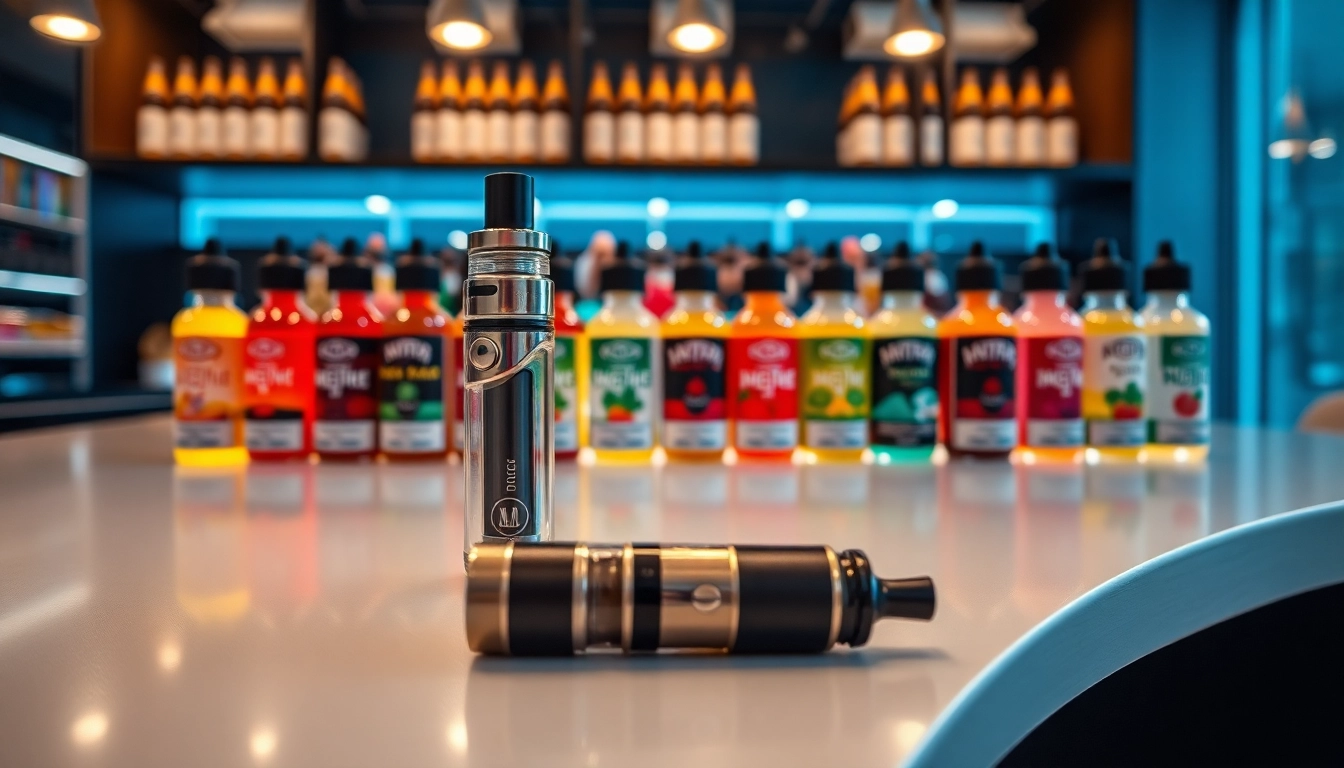
Understanding Vape & E-Liquids
In the evolving landscape of modern alternatives to traditional smoking, Vape & E-Liquids have emerged as a powerful presence. These liquid solutions are designed to be heated and vaporized by electronic devices known as vapes or e-cigarettes, providing users with a flavorful, nicotine-infused experience that replicates the act of smoking without combustion. The complex interplay of technology, flavors, and chemical ingredients not only defines the vaping experience but has also significantly influenced public perception and regulatory frameworks surrounding smoking alternatives.
What Are Vape & E-Liquids?
Vape e-liquids, also known as vape juice or e-juice, are liquids used in vaping devices that vaporize the liquid into an inhalable mist. These liquids typically contain a mixture of propylene glycol (PG), vegetable glycerin (VG), flavors, and often nicotine. The combination of these ingredients results in a versatile product that can cater to a wide range of preferences, from flavor and nicotine concentration to throat hit and vapor production.
Key Ingredients in Vape & E-Liquids
Understanding the core components of vape e-liquids is essential for both enthusiasts and newcomers. The primary ingredients include:
- Propylene Glycol (PG): A thin, clear liquid that is a common base for e-liquids. It is odorless and has a slight sweetness, providing a throat hit that mimics traditional cigarettes.
- Vegetable Glycerin (VG): A thicker liquid that contributes to the vapor production. It is slightly sweet and gives e-liquids a softer throat hit, often preferred for sub-ohm vaping.
- Flavoring Agents: Food-grade flavorings are added to create a variety of tastes such as fruit, menthol, dessert, and beverage flavors that cater to different preferences.
- Nicotine: An optional component found in varying concentrations, nicotine can be derived from tobacco or created synthetically for those who seek it.
The History and Evolution of Vape & E-Liquids
The concept of vaping dates back several decades, with initial attempts to create electronic means of smoking occurring as early as the 1960s. However, modern vaping devices emerged in the early 2000s, leading to a surge in popularity. The evolution of vape e-liquids has paralleled advancements in technology, with innovations targeting greater flavor profiles, customization options, and safer ingredients. Today, the market boasts an extensive variety of e-liquids that appeal to multiple demographics, reflecting a transformation from a niche segment to a mainstream market.
Types of Vape & E-Liquids
Freebase Nicotine vs. Nicotine Salts
Vape e-liquids are primarily categorized based on the type of nicotine they contain: freebase nicotine and nicotine salts. Freebase nicotine is the traditional form and is known for a harsher throat hit at higher concentrations. It is commonly used in devices for direct lung vaping. In contrast, nicotine salts, which include naturally occurring nicotine acid, allow for smoother inhalation and can be used in higher concentrations, making them suitable for mouth-to-lung vapers. This distinction has led to tailored e-liquids that cater to different vaping styles and preferences.
Varieties of Flavors in Vape & E-Liquids
The flavor profile of vape e-liquids is a significant contributor to their appeal. From delectable desserts and refreshing fruits to classic tobacco and innovative blends, the diversity in flavor options provides an engaging experience for users. Flavor artisans continuously develop complex profiles, merging tastes to enhance user satisfaction. Popular categories include:
- Fruity Flavors: Offer refreshing and crisp notes, often replicating common fruits like mango, blueberry, and watermelon.
- Dessert Flavors: Mimic sweet treats such as donuts, cakes, and pastry delights, perfect for those with a sweet tooth.
- Tobacco Flavors: Aim to replicate the rich, robust flavors of traditional tobacco, appealing to ex-smokers seeking to transition smoothly.
- Beverage Flavors: Includes refreshing drinks such as iced tea, soda, and coffee, providing a uniquely nostalgic experience.
Choosing the Right Type for Your Device
The compatibility of vape e-liquids with devices is crucial to maximizing the vaping experience. Higher PG e-liquids are typically recommended for low-wattage devices or MTL (mouth-to-lung) vaping, which imulates traditional smoking. Conversely, high VG e-liquids suit sub-ohm devices designed for DTL (direct-to-lung) vaping, where thicker vapor clouds are desirable. Users should also consider nicotine strength based on their vaping habits and preferences.
How to Properly Use Vape & E-Liquids
Preparing Your Device for E-Liquids
To ensure an optimal vaping experience, proper device preparation is essential. This involves:
- Choosing the Right Resistance: Utilize coils that match the desired wattage and e-liquid viscosity.
- Priming the Coil: Soak the coil with a few drops of e-liquid before first use to prevent burning.
- Filling the Tank: Carefully fill the tank without overfilling and ensure it is secured properly to avoid leaks.
Dos and Don'ts of Vaping
Understanding best practices is pivotal in ensuring not only a pleasurable experience but also safety. Here are key dos and don'ts:
- Do: Regularly clean your device to maintain optimal performance.
- Do: Store e-liquids in a cool, dark place to preserve their integrity.
- Don't: Mix different types of e-liquids in one tank unless they are compatible to avoid unwanted flavors and device damage.
- Don't: Exceed the recommended wattage for your coil to prevent burning.
Recognizing the Right Dosage of Nicotine
Determining the correct nicotine dosage is fundamental for both satisfaction and health considerations. Novice users should start with lower concentrations and gradually increase based on personal comfort levels. The general guideline suggests:
- 0-3 mg/mL for light smokers or non-smokers.
- 6-12 mg/mL for moderate smokers.
- 12-18 mg/mL for heavy smokers.
Being mindful of personal tolerance levels and observing reactions can also aid individuals in navigating their nicotine preferences more effectively.
Trends and Innovations in Vape & E-Liquids
The Rise of CBD and THC Infusions
With increasing interest in cannabinoid usage, the vaping industry has seen a significant rise in CBD and THC-infused e-liquids. These products create new opportunities for users seeking therapeutic benefits without the psychoactive effects associated with traditional cannabis use. Infused e-liquids offer a discreet alternative for administering cannabinoids, providing relaxation and wellness in various flavors. As regulations develop, these products are becoming more accessible, reflecting evolving consumer interests.
Environmental Impact and Sustainability Efforts
As vaping gains popularity, the environmental ramifications of e-liquids and vaping products prompt discussions on sustainable practices within the industry. Manufacturers are being urged to focus on biodegradable materials for packaging, recycling programs for used products, and exploring eco-friendly ingredients to lessen their carbon footprint. Efforts towards sustainability highlight a growing consciousness among consumers and businesses alike about environmental responsibility.
Technological Advances in Vaping Devices
Technological progress is a driving force behind the evolution of vaping devices. Modern devices feature enhanced battery life, adjustable wattages, and advanced temperature control that enable users to customize their vaping experience further. Innovations such as pod systems have also emerged, offering compact and user-friendly options for both nouveau and seasoned vapers. Continuous development showcases an industry responsive to consumer demands for convenience, quality, and performance.
Safety and Regulation of Vape & E-Liquids
Understanding Vape & E-Liquids Regulations
As the vaping market expands, adhering to safety regulations becomes increasingly important for manufacturers and users alike. Regulatory bodies are assessing the safety of ingredients used in e-liquids, enforcing standard labeling to provide transparency regarding nicotine levels and components. Awareness of local regulations is vital, as rules can differ widely by region, affecting sales, marketing, and overall accessibility.
The Importance of Lab Testing for Quality Assurance
To assure the safety and quality of vape e-liquids, rigorous lab testing is essential. Independent third-party testing confirms the absence of harmful substances and verifies the accuracy of advertised ingredient listings. Such practices enhance consumer trust and accountability within the industry, paving the way for higher standards and better products.
Tips for Safe Vaping Practices
Practicing safe vaping habits ensures a healthier experience. Here are some helpful tips:
- Always choose products from reputable manufacturers known for quality control.
- Keep e-liquids out of reach of children and pets to prevent accidental ingestion.
- Monitor the device for any signs of malfunction, such as battery overheating or unusual smells.
- Educate yourself continually on vaping practices and safety guidelines.
In conclusion, understanding the comprehensive realm of Vape & E-Liquids is crucial for both enjoyment and safety. As innovation progresses, consumers are encouraged to stay informed and engage with the community to ensure a rewarding vaping experience that is both safe and eclectic in flavor.