Understanding Cannabis Genetics
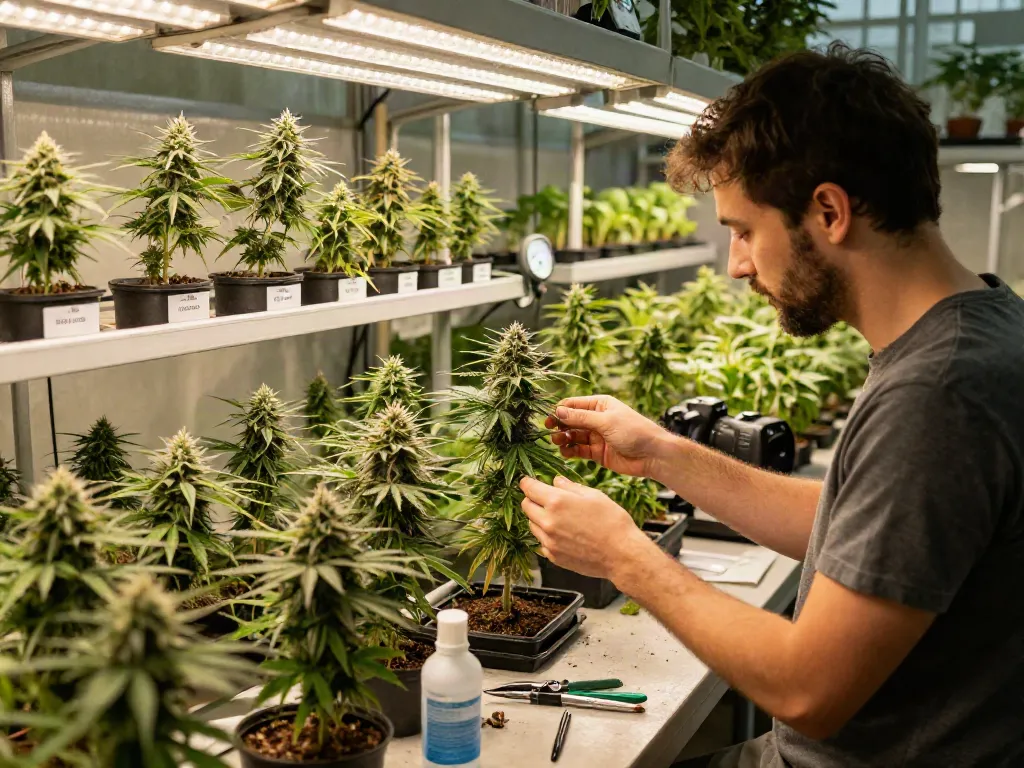
Cannabis is a plant that has captivated humanity for centuries, both for its psychoactive properties and its potential medicinal benefits. As the industry grows and diversifies, so too does the understanding of cannabis genetics. This branch of botanical science studies hereditary traits passed down from parent plants to their offspring, significantly influencing plant growth, potency, and flavor profiles. Understanding cannabis genetics is essential for both growers and consumers looking to maximize their experience with this versatile herb.
What Are Cannabis Genetics?
Cannabis genetics refers to the study of the DNA of cannabis plants, which determines their physical and chemical characteristics. This includes the plant structure, flowering time, yield, chemical composition (such as THC, CBD), and resistance to pests and diseases. By understanding these genetics, cultivators can select strains that best fit their growing environment and goals.
Types of Cannabis: Indica, Sativa, and Hybrid
The cannabis plant is generally classified into three main categories: Indica, Sativa, and hybrid strains. Indica strains are typically characterized by their short stature, broad leaves, and sedative effects, making them appealing for evening use and relaxation. Sativa strains, on the other hand, are taller, with narrow leaves and are often associated with uplifting effects and enhanced creativity, ideal for daytime use. Hybrid strains are a combination of both Indica and Sativa, allowing growers to breed for specific effects and growth characteristics, making them versatile for various needs.
Importance of Genetics in Cultivation
Genetics play a crucial role in the cultivation of cannabis. Knowing the genetic lineage of a strain allows growers to predict its growth behavior, yield potential, and resilience against environmental factors. For example, strains with robust genetics might be more tolerant to pests and diseases, while those selected for specific cannabinoid profiles can deliver targeted medicinal benefits. Thus, understanding and leveraging cannabis genetics can lead to healthier plants and more successful harvests.
Evaluating Cannabis Strains
When selecting cannabis strains, understanding their genetics can significantly impact the choice made by both growers and users. Potency, flavor profile, and growth requirements are critical factors to consider.
Identifying Potency and Terpene Profiles
The potency of a cannabis strain is primarily determined by its cannabinoid profile, especially the levels of THC and CBD. However, the strain's terpene profile also plays a pivotal role in its overall effects and flavor. Terpenes are aromatic compounds that not only contribute to the strain's scent and taste but also interact with cannabinoids to produce what is known as the “entourage effect,” enhancing the therapeutic potentials of cannabis. Recognizing the terpenes present in different strains can guide users in selecting products that better align with their desired experiences.
Choosing the Right Strain for Your Needs
Choosing the right cannabis strain involves assessing individual needs — whether for recreational enjoyment, medicinal applications, or cultivation goals. For instance, patients seeking relief from anxiety may opt for a strain with a high CBD and specific terpenes known for their calming effects, while recreational users might prefer a high-THC strain with energizing properties. Understanding the genetic makeup of a strain assists in making informed decisions that cater to unique preferences.
Common Misconceptions About Cannabis Genetics
Many misconceptions surround cannabis genetics. One prevalent myth is that all cannabis strains can be categorized as purely Indica or Sativa. In reality, most cannabis strains are hybrids, exhibiting characteristics of both parent types. Another misconception is that THC alone determines the quality of cannabis; however, the interplay of cannabinoids and terpenes collectively shapes the user experience. It’s essential for consumers and cultivators alike to debunk these myths in favor of a more nuanced understanding of cannabis genetics.
Current Trends in Cannabis Genetics
The cannabis industry is constantly evolving, driven by advancements in breeding techniques and shifting consumer preferences. This evolution unveils new possibilities within cannabis genetics.
Advancements in Breeding Techniques
Modern breeding techniques now allow for the precise selection of traits that effectuate desirable characteristics, such as higher yields, improved potency, and unique flavors. Traditional breeding methods have been supplemented with genetic analysis tools, enabling breeders to better understand the plant's DNA. Techniques like CRISPR and marker-assisted selection are paving the way for the development of novel strains that can cater to specific needs, including medical applications and environmental adaptability.
The Rise of Triploid Cannabis Genetics
Among the innovative directions in cannabis genetics is the rise of triploid strains. Triploid cannabis plants, which have three sets of chromosomes instead of the usual two, tend to exhibit sterility, leading to higher levels of cannabinoids and terpenes without the need for male plants. This trait allows for more potent strains and can also simplify the cultivation process, as growers do not have to worry about pollination and seed production.
Sustainability Practices in Cannabis Cultivation
As the demand for cannabis continues to rise, sustainability practices have become a vital aspect of modern cultivation. Breeders are increasingly focusing on developing strains that require less water, are resilient to local pests, and can thrive in varying climates. Efforts toward organic cultivation and eco-friendly breeding techniques aim to minimize the environmental impact and promote a more sustainable approach to cannabis production.
Real-World Applications of Cannabis Genetics
The implications of cannabis genetics extend far beyond the growing community, significantly influencing medical research and consumer choice.
Medical Applications and Therapeutic Benefits
Cannabis genetics play a crucial role in the development of strains designed for therapeutic use. By selectively breeding plants for specific cannabinoid and terpene profiles, cultivators can produce strains that target particular conditions such as chronic pain, anxiety, and epilepsy. Research continues to affirm the efficacy of cannabis in treating various ailments, highlighting the importance of understanding genetics in developing effective medical therapies.
Using Cannabis Genetics for Recreational Purposes
For recreational users, the understanding of cannabis genetics allows for informed choices that enhance the consumption experience. With a myriad of strains offering diverse effects—from relaxation to creativity—users can select options that align with their mood or activities. The focus on flavor profiles and potencies also leads to a more satisfying cannabis experience.
Case Studies of Successful Cultivators
Several cultivators have successfully utilized cannabis genetics to create popular and high-demand strains. For example, cultivators like Subcool's The Dank are known for their innovative breeding techniques that focus on unique flavors and robust effects, resulting in widely acclaimed strains. These case studies exemplify how a deep understanding of genetics can lead to successful cultivation practices and marketable products.
Future of Cannabis Genetics in 2026
Looking ahead, the future of cannabis genetics is poised to be dynamic and innovative, driven by technological advancements and changing regulations.
Emerging Trends and Technologies
Emerging trends in cannabis genetics, including advancements in biotechnology and genetic editing, are expected to significantly impact how new strains are developed. The rise of artificial intelligence and machine learning in breeding programs may also streamline the selection process, allowing for the identification of desirable traits at an accelerated pace, ultimately leading to the creation of superior cannabis strains.
Anticipated Changes in Legal Regulations
The legal landscape around cannabis is also expected to evolve, which will have implications for breeding practices and strain distribution. As legalization expands globally, there may be increased interest in preserving landrace genetics and developing strains tailored to specific markets, influenced by regional preferences and medical needs.
Expert Predictions for Cannabis Genetics Evolution
Industry experts predict that the focus on sustainability and ethical growing practices will continue to grow, influencing breeding practices aimed at developing strains that require fewer resources while maximizing yield and potency. This evolution may lead to a surge in interest in organic and eco-friendly strains, aligning with consumer trends toward sustainability.
What Should Growers Expect in the Coming Years?
Growers in the coming years should expect a focus on innovation, with genetic advancements resulting in faster flowering times, greater disease resistance, and enhanced flavor profiles. Additionally, as consumer knowledge about cannabis genetics expands, there will be a growing demand for transparency about strain origins and genetic stability, pushing growers to prioritize quality and consistency.