

What is CBD?
Definition and Origin of CBD
Cannabidiol, commonly known as CBD, is one of over a hundred naturally occurring compounds found in the cannabis plant, specifically in both marijuana and hemp. Unlike its more famous counterpart, tetrahydrocannabinol (THC), which is responsible for the psychoactive effects associated with cannabis, CBD is non-intoxicating and does not lead to a “high.” The interest in CBD has skyrocketed in recent years, primarily due to its promising therapeutic potential, which has been supported by a growing body of research.
The origin of CBD can be traced back to ancient civilizations where cannabis was utilized for medicinal purposes. However, it was not until the mid-20th century that scientists began to isolate cannabinoids. CBD was first isolated in the 1940s, but it took several decades for researchers to explore its properties in detail. Today, CBD is being used in various forms, from oils and topical creams to edibles and capsules, highlighting its versatility in the health and wellness landscape. For further insights, you can explore more about CBD and its applications.
Cannabidiol vs. THC: What’s the Difference?
The primary difference between CBD and THC lies in their psychoactive properties. While THC binds to the CB1 receptors in the brain and produces euphoric sensations, CBD interacts differently with the endocannabinoid system. CBD does not bind to these receptors in the same manner, which explains its non-psychoactive nature.
Moreover, CBD is often associated with a broad range of therapeutic effects without the undesired high that THC can produce. This positions CBD as a preferable option for individuals seeking relief from various ailments while maintaining mental clarity and focus. Additionally, the legality of CBD in many jurisdictions has user-friendly implications compared to THC, which faces stricter regulations across various states and countries.
How CBD Works in the Body
CBD exerts its effects by interacting with the endocannabinoid system (ECS), a complex cell-signaling system present in all mammals. The ECS plays a crucial role in regulating a multitude of physiological processes, including mood, pain perception, immune function, and sleep. The ECS consists of cannabinoid receptors (CB1 and CB2), endocannabinoids, and enzymes.
When CBD is introduced into the body, it promotes the synthesis and activity of natural endocannabinoids, like anandamide. By enhancing the body’s own cannabinoids, CBD can potentially help maintain homeostasis, or balance, in different systems. Research has shown that this modulation can lead to a reduction in inflammation, pain relief, anxiety reduction, and improved sleep quality, among other beneficial effects.
Health Benefits of CBD
Potential Therapeutic Uses of CBD
As the therapeutic potential of CBD continues to be explored, several promising applications have emerged, leading to widespread interest among healthcare professionals and individuals alike. One of the most significant benefits noted is its anti-inflammatory properties, making it effective in addressing conditions such as arthritis and chronic pain.
Additionally, studies have suggested that CBD may have neuroprotective properties, hinting at its potential benefits for conditions like epilepsy and multiple sclerosis. The FDA has even approved a CBD-based medication, Epidiolex, for the treatment of certain seizures associated with epilepsy, emphasizing its therapeutic relevance.
Moreover, CBD has shown potential in alleviating anxiety disorders, including generalized anxiety and social anxiety, which is particularly valuable considering the rising rates of anxiety globally. Furthermore, there is ongoing research into its role in supporting mental health, particularly in terms of managing depression and PTSD.
Scientific Studies and Findings
Recent years have witnessed an influx of scientific studies investigating the effects of CBD. A landmark study published in the *Journal of Pain* indicated that CBD might effectively reduce pain and improve the overall quality of life for those suffering from chronic pain conditions.
Another pivotal study found that individuals with social anxiety demonstrated significant reductions in anxiety levels after consuming CBD before a public speaking event. This evidence aligns with the growing acknowledgment of CBD as a potential anxiolytic agent, with many participants reporting a sense of calmness and focus.
Furthermore, a systemic review of studies highlighted CBD’s ability to act on 5-HT1A serotonin receptors, which play an essential role in regulating mood and anxiety. These findings underscore the therapeutic potential of CBD, especially as an alternative treatment option in psychiatry and chronic disease management.
Common Conditions CBD May Address
CBD has been associated with a variety of health conditions, due to its multifaceted nature. Some common conditions for which people seek CBD treatment include:
- Chronic Pain: Many individuals use CBD to manage pain associated with arthritis, fibromyalgia, and multiple sclerosis.
- Anxiety Disorders: CBD has shown promise in alleviating symptoms of anxiety and stress in both clinical and non-clinical populations.
- Epilepsy: With the FDA-approved Epidiolex, CBD’s role in seizure management has been scientifically validated.
- Sleep Disorders: CBD is often utilized for its potential to improve sleep quality and tackle insomnia.
- Skin Conditions: The anti-inflammatory properties of CBD make it a popular choice for addressing acne and eczema.
CBD Products Available
Types of CBD Products: Oils, Edibles, and More
The CBD market features an impressive array of products designed to cater to various preferences and needs. The primary types of CBD products include:
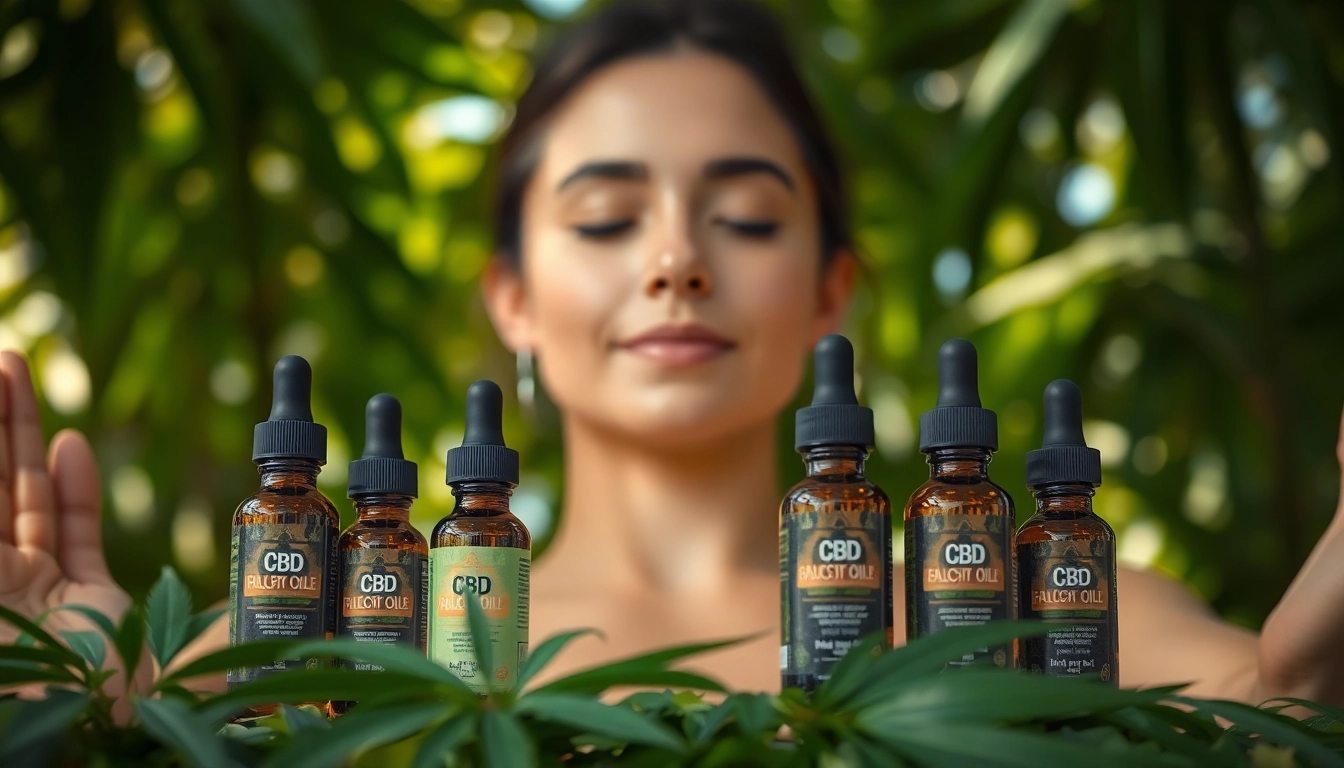
- Oils and Tinctures: These are liquid extracts that offer precise dosing options. Users typically place them under their tongue for quick absorption.
- Edibles: CBD-infused gummies, chocolates, and beverages provide a tasty alternative for consumption.
- Topicals: Creams, balms, and lotions containing CBD offer localized relief for specific areas of the body, such as joints and muscles.
- Capsules: For those who prefer measured doses, CBD capsules provide convenience similar to standard vitamins.
- Vapes: CBD vape products deliver quick effects, appealing to users who prefer inhalation methods.
How to Choose Quality CBD Products
Not all CBD products are created equal, making it crucial for consumers to understand how to identify quality options. When selecting CBD products, consider the following:
- Source of Hemp: Look for products sourced from organically grown hemp, which indicates lower levels of pesticides and heavy metals.
- Third-Party Testing: Quality brands provide laboratory results from independent labs, ensuring transparency and confirming product potency.
- Full Spectrum vs. Isolate: Full-spectrum products contain a range of cannabinoids, which may enhance therapeutic effects through the entourage effect, while isolates contain only CBD.
- Ingredients: Choose products with minimal and natural ingredients, steering clear of unnecessary additives.
Comparison of Full Spectrum vs. Broad Spectrum CBD
Understanding the differences between full spectrum and broad spectrum CBD can significantly impact your choice of products. Full spectrum CBD contains all the cannabinoids found in hemp, including trace amounts of THC (below 0.3%). This can enhance the therapeutic effects due to the synergy of various compounds, commonly known as the “entourage effect.”
In contrast, broad spectrum CBD also contains multiple cannabinoids but is THC-free. This makes it an excellent choice for individuals who wish to avoid THC entirely while still benefiting from the diverse cannabinoid profile. Ultimately, the choice between these products may depend on personal preferences and individual responses.
Considerations and Risks of CBD Use
Potential Side Effects of CBD
While CBD is largely well-tolerated, some users may experience side effects, which include:
- Dry mouth
- Fatigue or drowsiness
- Changes in appetite or weight
- Diarrhea
It’s essential for users to start with a low dose and gradually increase it to assess tolerance and response. Consulting a healthcare provider prior to starting CBD can also help mitigate risks.
Drug Interactions and Safety Concerns
CBD can interact with various medications, particularly those metabolized by the liver. Drugs such as blood thinners or certain anti-epileptic medications may have altered effects when combined with CBD. Therefore, it is crucial for individuals on medication to discuss CBD use with their healthcare provider to ensure safety.
Additionally, although CBD is legal in many areas, state and federal regulations continue to evolve. Following local laws regarding the purchase and use of CBD products is essential for compliance and safety.
Legal Status of CBD in Different States
The legal landscape for CBD varies across the United States, with regulations influenced by both state and federal laws. Under the 2018 Farm Bill, hemp-derived CBD products with less than 0.3% THC are federally legal, yet some states have their own laws that may restrict its sale and use. It is vital for consumers to stay informed about the legal status of CBD in their respective states to ensure compliance and avoid potential legal issues. This ongoing evolution necessitates vigilance as regulations continue to adapt to the growing popularity of CBD.
Getting Started with CBD
Dosage Guidelines for Beginners
Starting with CBD can be a personalized experience, as individuals may respond differently based on various factors, including body weight, metabolic rate, and the specific condition being addressed. A general guideline for beginners is to start with a low dose, typically ranging from 5 to 10 mg per day, and gradually increase it until the desired effects are achieved.
Tracking effects in a journal can also help users find the most effective dosage tailored to their needs, allowing for safe and effective usage.
Integrating CBD into Your Health Routine
Incorporating CBD into a health routine can be seamlessly done, particularly when it aligns with existing wellness practices. Consideration should be given to when and how you want to use CBD — for example, taking a dose in the morning for daily stress management or using it in the evening to help wind down before bedtime.
As with any supplement, creating a consistent regimen can significantly enhance the benefits experienced. Users may also consider pairing CBD with other practices, such as meditation or yoga, to amplify the wellness effects.
Monitoring Effects and Adjusting Usage
Monitoring how CBD affects you personally is crucial to optimizing its use. Pay attention to changes in your symptoms, mood, energy levels, and overall well-being. If you find that your initial dosage isn’t providing the anticipated relief, adjustments can be made — whether that means increasing the dose or experimenting with different forms of CBD.
Additionally, consulting with healthcare professionals when making adjustments can provide insights tailored to your health needs and ensure a safe path forward in your CBD journey.